
If your brand is based outside Türkiye, or you’re considering professional content production in Türkiye, you may have questions such as: Where should we film? Which season is best? Should we work with a local team or bring our own crew? What factors increase production costs?
In this guide, we cover the key things you need to clarify before starting any production project.
The short answer: Istanbul is a strong choice for content production thanks to its visual diversity and accessibility. However, good results come from good planning. Before the shoot, define your locations, season and lighting conditions, transportation logistics, and collaboration model with the local team.
Why Istanbul?
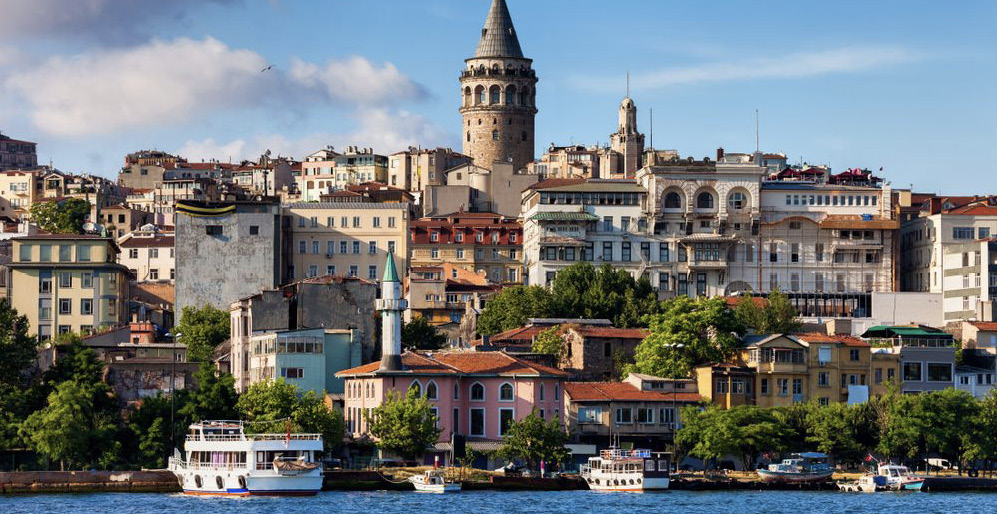
Visual diversity in one city: The Bosphorus, historic districts, modern neighborhoods, rooftops, cafés, and lively streets are all relatively close together. You can capture several different atmospheres in just one or two days.
Accessibility: Istanbul is one of the region’s major flight hubs, making it relatively easy for production teams and equipment to reach the city.
Time zone alignment: Türkiye operates on UTC+3 year-round, making coordination with teams in Europe and the Middle East easier.
Experienced local production teams: Istanbul has hosted advertising and content production projects for years and offers a wide range of professional production teams.
Five Decisions to Make Before Getting Started
1. Your Content Goals and Production Location
Is your content intended for Instagram Reels and TikTok, an advertising campaign, a website, or a catalog? Each format requires a different framing, talent, and visual style. Without a clear answer, it is hard to choose the right locations and production plan.
2. Your Collaboration Model
Three common approaches are working with a full local production team in Türkiye, bringing your own team with local support for locations, permits, and equipment, or choosing remote production, where you manage the project from abroad while the local team handles execution.
The second and third options are often more practical for international brands.
3. Locations
For each location, ask yourself: Does it match your brand’s identity and atmosphere? Will it be crowded during filming hours? Is it easy for the crew and equipment to access?
Popular locations are attractive, but they can also come with crowds and restrictions. Sometimes, a less familiar neighborhood can deliver better results.
4. Timing and Season
Lighting, temperature, daylight hours, and tourist crowds change throughout the year. Summer offers longer days but usually comes with more crowds, while winter provides softer light but a higher chance of rain.
Always plan a backup day for unexpected weather.
5. Budget and Ownership
Clarify from the beginning who owns the final deliverables, raw footage, and usage rights. Also, define which platforms the content can be used on and for how long.
Things People Don’t Always Mention
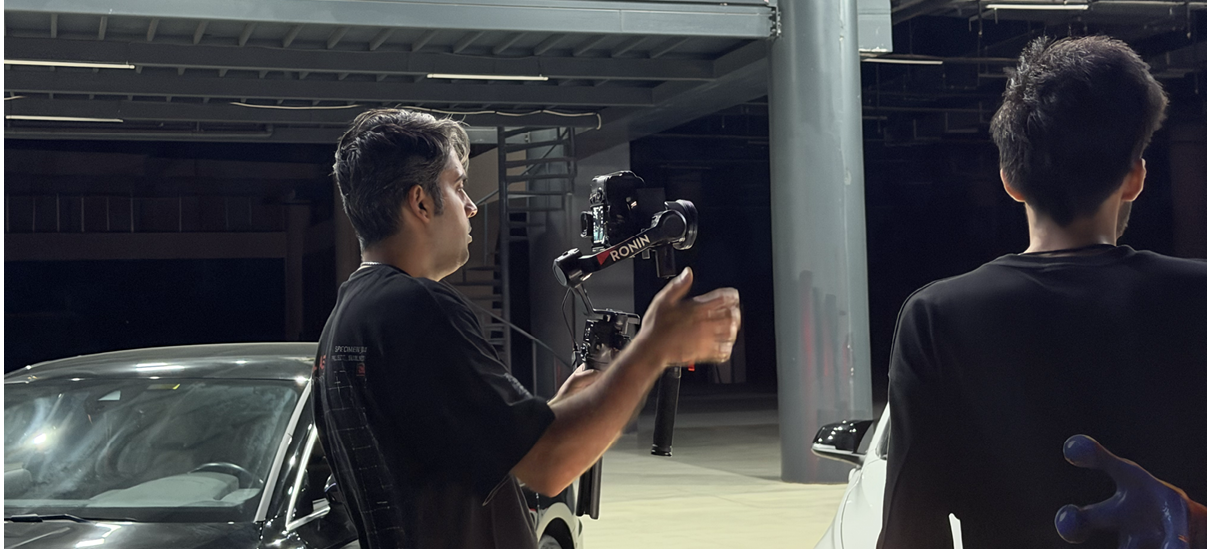
Traffic: Traveling between the two sides of the city can take a long time. Try to group your locations within the same area and include travel time in your schedule.
Permits: Filming regulations vary by location, project type, and equipment. Since these rules may change, always check with official sources or a local production team before making arrangements.
Equipment: Decide whether to rent equipment locally or bring your own. Bringing production equipment across international borders comes with its own regulations.
Language and Coordination: Assign one person to manage communication on the shooting day and ensure clear communication between your team and the local crew.
What Factors Increase Production Costs?
Production costs cannot be defined by one fixed price. The following factors have the greatest impact:
- Number of shooting days and locations
- Crew size (director, videographer, sound technician, stylist, and production coordinator)
- Amount of editing, motion graphics, and different language versions required
To keep costs under control, try to plan multiple deliverables within a single shooting day: a main video, shorter video cuts, and photography.
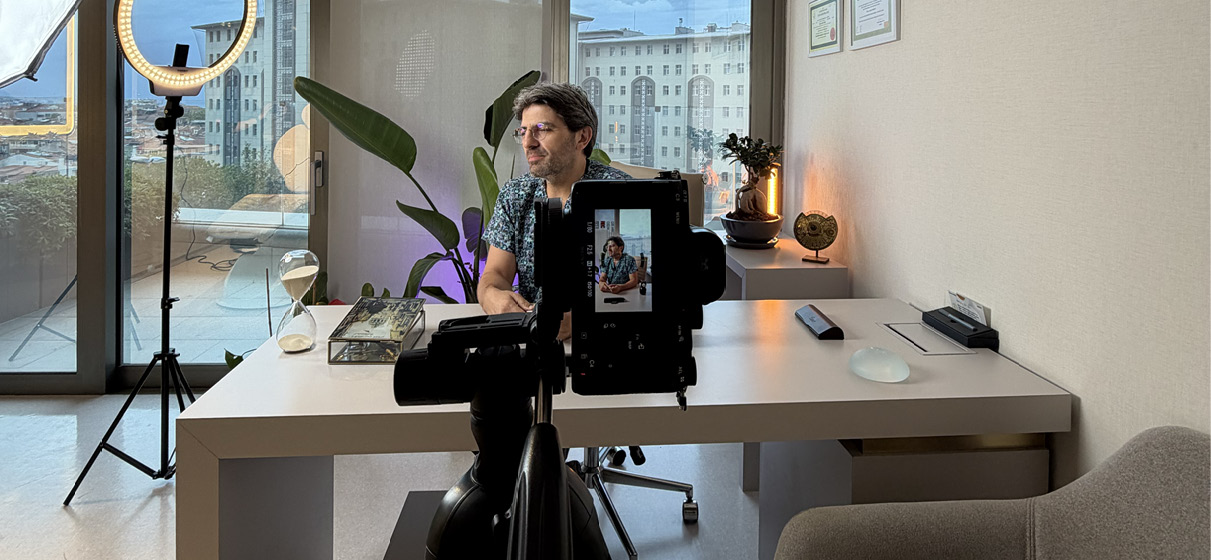
Pre-Production Checklist
- The content goals and intended platforms have been defined.
- Locations and required permits have been checked.
- The daily schedule, shot list, and backup day are ready.
- A production coordinator has been assigned.
- File ownership and usage rights are clearly stated in the contract.
Frequently Asked Questions
What is the best time of year to film in Istanbul?
Each season offers a different atmosphere. Choose the season based on your desired lighting and brand aesthetic, and always have a backup plan for changing weather conditions.
Can I produce content without traveling to Istanbul?
Yes. With remote production, you can join meetings and approve different stages of the project while the local team handles production.
Is one-time production better than monthly production?
If you need content for several weeks, producing multiple pieces of content in one day is usually more cost-effective. For ongoing content needs, a monthly collaboration may be a better option.
Let’s Get Started
If you are planning a production project in Istanbul, the Frogs Studio team can help you explore the right approach and plan the process.
Explore our Studio and Production Services and Packages, or book a free consultation to discuss your project with our team.