
Posting every day and hoping something sticks is a habit, not a plan. It isn’t a plan.
A social media strategy is a short written answer to four questions: why you’re on social media, who you’re talking to, what you’ll post, and how you’ll know it’s working. It fits on two pages and ends those 11 pm sessions of staring at Instagram, wondering what to post tomorrow.
Step-by-Step Guide
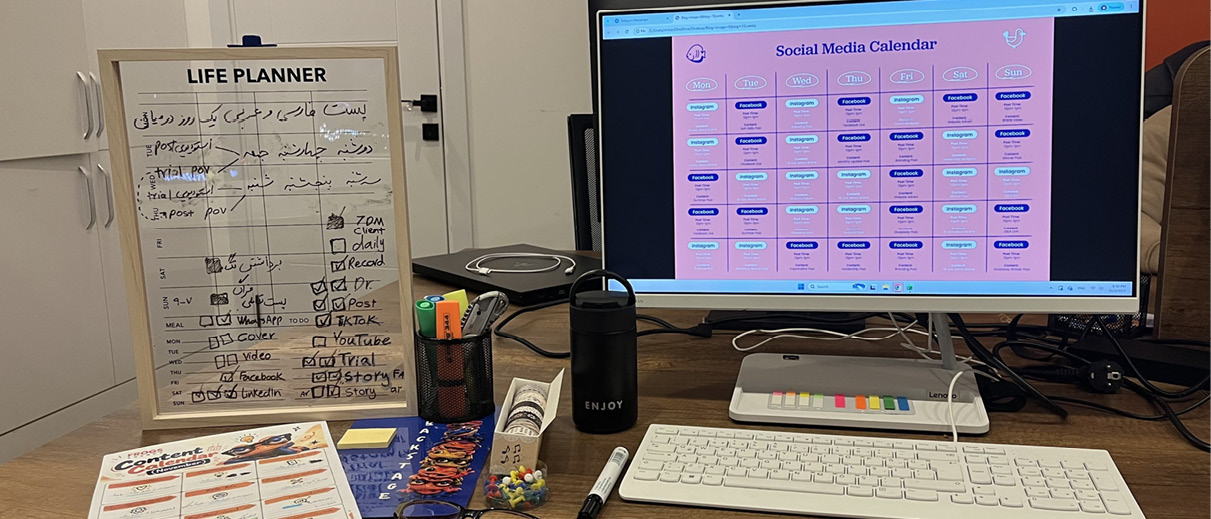
Step 1: Choose a Measurable Goal
If your goal is simply to grow your Instagram account, that’s just a wish. A real goal looks more like this: Generate 20 consultation inquiries per month through Instagram DMs by March.
Step 2: Clearly Define Your Target Audience
Write down exactly who you want to reach. How old are they? Where do they live? What do they need?
You probably already have access to some of this data. Instagram’s Professional Dashboard shows your followers’ age groups, top cities, and most active hours.
Step 3: Choose Two Platforms and Focus on Doing Them Well
You don’t need to be everywhere. You need to be where your customers are already spending their time, on platforms that suit the type of content you can realistically create.
Instagram works particularly well for visual businesses such as clinics, restaurants, and hotels. Use Reels to reach new audiences and Stories to maintain closer relationships with existing customers.
TikTok rewards brand personality and quick, authentic videos. LinkedIn makes sense when you’re selling to other businesses. And if you have a physical location, your Google Business Profile also needs attention, since it shows your photos and reviews when nearby customers search for your services.
A strong presence on two platforms will always outperform a weak presence on five.
Step 4: Find Out What Is Already Working
Spend an hour reviewing a few competitors and a few brands outside your industry. Ignore the number of likes. Look at which posts generate real engagement, shares, and saves, and ask yourself why.
Step 5: Build Your Content Pillars
Content pillars are the main topics you return to again and again. They eliminate the stress of asking, “What should we post today?”
For a dental clinic, these pillars could include patient results (with their permission), videos of a dentist answering frequently asked questions, and occasional special offers or discounts.
You rotate between these topics, and planning takes just twenty minutes instead of an entire afternoon.
Keep most of your posts useful or entertaining, and dedicate only a small portion to direct sales promotions. People follow accounts that offer them something valuable.
And your content doesn’t need to look like magazine photography. A smartphone video featuring your actual team can compete with a glossy advertisement. There’s a lot more to say about why the internet is getting tired of perfection.
Step 6: Create a Content Calendar and Stick to It
Consistency always beats quantity. Three good posts a week for six months are far more effective than posting every day for three weeks and then going completely silent.
Plan one month at a time in a spreadsheet, then schedule your posts using Meta Business Suite.
The biggest time-saver comes from batching: film an entire month’s worth of content in a single day. If you’d rather outsource the filming, our production team and studio can take care of it for you.

Step 7: Keep Your Audience Engaged
Social media is a conversation, and DMs are often where that conversation turns into revenue. Decide who will respond to comments and messages, and how quickly they should do so.
For questions you receive ten times a day, such as pricing and location, prepare saved replies. Then make sure a real person follows up when needed.
A patient who waits two days for a response has often already booked an appointment somewhere else.
Step 8: Measure, Learn, and Adjust
- Once a month, go back to the goal you set in Step 1. Are you making progress?
- Look beyond likes. Saves, shares, profile visits, link clicks, and DMs tell you much more about how well your content is performing.
- Add UTM tags to your bio link so Google Analytics can show you exactly which website visits came from Instagram.
- Give every new content format a fair chance by testing it with four to six posts. If it still doesn’t work, drop it.
- Review your entire strategy every three months.

Frequently asked questions
How often should a small business post on social media?
As often as you can keep up with good quality. For most small businesses, three to four feed posts a week plus regular Stories is a realistic place to start.
How long does a social media strategy take to show results?
Expect early signals in the first month or two, like more profile visits and DMs. Steady, reliable results usually take several months of consistent posting.
Your first move
Before you plan a single post, write your Step 1 goal on a sticky note and stick it next to your screen. Every idea after that has to earn its place against it.
If you’d like a hand, Frogs Media Agency is a creative team in Istanbul that runs social media management for clinics, hotels,s and local brands, from strategy to filming to monthly reports. Not sure where to begin? Our consultation and guide service is a good first step.